Methodology
How AdStatus detects outages
The agent is software on a 5-minute loop. Every alert traces back to a provider's own status source. Here is exactly what it reads and how it decides.
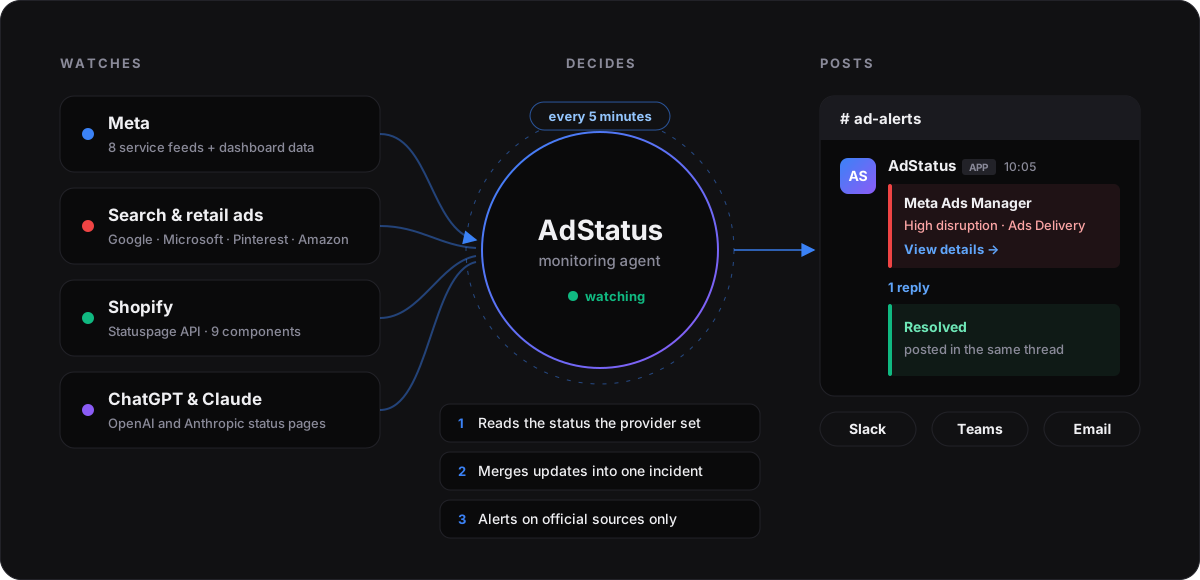
What it reads
Only the platforms' own status sources, checked every 5 minutes.
| Platform | Source |
|---|---|
| Meta Ads Manager, Facebook, Instagram, Messenger, WhatsApp, Workplace, Catalog, Marketing API |
One metastatus.com RSS feed per service, plus the metastatus.com dashboard data for Ads Manager, Catalog, Marketing API, Messenger and WhatsApp |
| Google Ads | ads.google.com/status Atom feed |
| Microsoft Advertising | status.ads.microsoft.com feed |
| Pinterest Ads | pintereststatus.com history feed |
| Amazon Ads | status.ads.amazon.com feed |
| Shopify 9 components, from Admin to Checkout |
shopifystatus.com Statuspage API |
| ChatGPT | status.openai.com history feed |
| Claude | status.claude.com history feed |
How it decides
1. The provider's status label wins
Meta titles its updates with a status such as [High disruptions] or [Resolved]. The agent treats that label as the state of the incident and the description as context. We learned this the hard way: on July 16, 2026 an active update said services were "being restored", and reading the wording instead of the label marked it resolved. The label decides now.
2. One incident, one alert
Providers post many updates per incident, and some reuse the same title for different incidents. The agent groups updates by the provider's own incident ID, alerts once, and posts later updates and the resolution as follow-ups instead of new alerts.
3. Official sources only
No alerts from social media, forums or third-party trackers. If the provider has not posted an incident, the agent stays silent. None of these decisions are made by a language model, so it cannot invent an outage.
Where official status pages lag
A 5-minute check cannot beat a provider that has not posted yet. On July 16, 2026, Meta's status dashboard showed an Ads Delivery incident at 09:40 UTC, but Meta's RSS feed only published it at about 11:11 UTC. Since then the agent also reads the dashboard's own data for the Meta services that have it, so an incident on the dashboard does not wait for the feed.
An empty status page is a statement about the status page, not proof about the platform. Our monthly reliability reports track what each provider actually logged.
Where alerts go
Slack
An alert in your channel, updates and the resolution in the same thread, and a weekly all-clear report.
Teams
An alert card in your channel when an incident starts.
An alert email, a follow-up when it is resolved, and a regular reliability summary.
Questions
Is AdStatus an AI agent?
It is a monitoring agent: software that runs on a 5-minute loop, reads each platform's official status sources and posts to your Slack, Teams or email without anyone pressing a button. Deciding what counts as an incident is rule-based, not done by a language model, so it cannot invent an outage.
How fast will I hear about an outage?
Within about 5 minutes of the provider publishing it. If a provider is slow to publish, that delay passes through. For Meta, the agent also reads the metastatus.com dashboard data, which has shown incidents well before Meta's RSS feed.
Does AdStatus alert on reports from Reddit or X?
No. Customer alerts come only from the platforms' own status sources. If the provider has not posted an incident, the agent stays silent.
How much does it cost?
Plans start at $10 per month per workspace. See pricing.
Put the agent in your channel
Two-minute setup. It starts watching as soon as you pick a channel.